Workwear trends for 2026
In an ever-evolving world of work, professional clothing is no longer just about protection. They are becoming tools for performance, communication and even sustainable development. In 2025, workwear trends will focus on three key areas: technical innovation, eco-responsibility and adaptive comfort. Here is a summary of the main trends you need to be aware of in order to equip your teams efficiently and sustainably.
1. Technical innovation: when technology comes to textiles
In 2025, the increasing integration of technology by professional clothing manufacturers aims to optimise worker performance and safety.
- Smart textiles: The use of textiles that react to temperature, humidity or light is becoming more and more common.
For example, some jackets automatically adjust to the outside temperature. - Connected clothingsensors can be integrated into clothing to monitor vital signs or detect a fall, which is very useful for isolated workers.
- New generation flame retardant and cut resistant fabricsLighter and more flexible, these materials allow greater freedom of movement without compromising protection.
This technology is part of an approach to prevention, accident reduction and increased productivity.
2. Sustainability and commitment to eco-responsibility
Companies are increasingly aware of the environmental impact of their operations, also in the selection of work uniforms.
- Recycled and recyclable materials: Recycled polyester, organic cotton, algae and hemp fibres are appearing in the 2025 collections.
- Local production and short supply chains: More and more European brands are choosing to produce locally to reduce their carbon footprint and ensure better traceability.
- Eco-labelsGOTS, OEKO-TEX, Fair Wear Foundation are the references for selecting garments that respect the environment and workers' rights.
Investing in sustainable clothing means reducing frequent outfit substitution while affirming a clear CSR commitment.
3. Adaptive comfort: promoting well-being at work
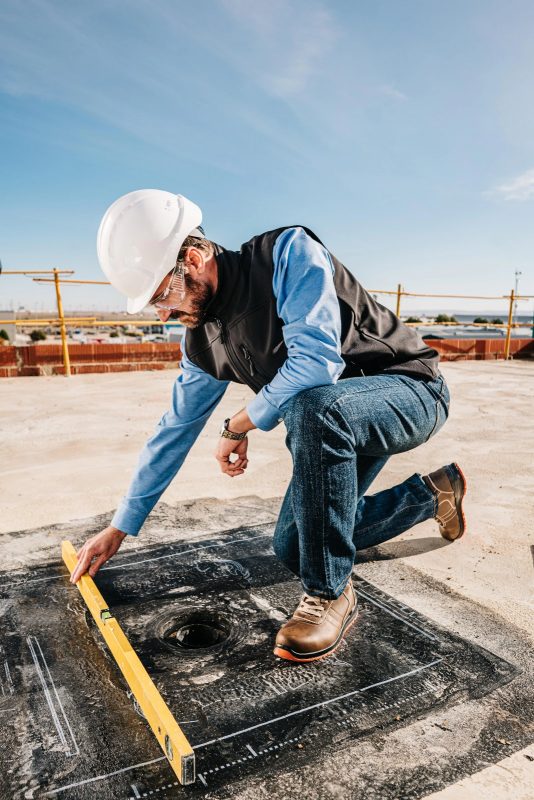
In 2025, the trend is to improve comfort in real working conditions. Manufacturers are designing garments that adapt to the needs of professionals throughout their working day.
- Ergonomic designThe cuts are designed to encourage movement without getting in the way. Trousers with semi-elastic waistbands, pre-shaped knees and elastic inserts are becoming more and more common.
- Thermal managementMulti-layered garments and breathable fabrics help to better manage temperature variations.
- Lightness and flexibilityThe use of lighter materials without compromising strength. This limits muscle fatigue on long days.
A better equipped employee is more efficient, happier and less exposed to musculoskeletal disorders (MSDs).
4. Modernised professional design and image
Workwear is no longer simply a functional uniform: it has become a vehicle for brand image.
- Modern and sober coloursThe new design is a combination of anthracite grey, navy blue and khaki, combined with coloured details that reflect the company's visual identity.
- Urban cuttingClose-fitting, streetwear-inspired, it enhances the silhouette without compromising mobility.
- CustomizationEmbroidered logos, team patches, motivational messages... clothing becomes a means of internal communication.
As a result, professional clothing reflects the company's principles and fosters a sense of belonging.
5. Versatility and modularity: one garment, multiple uses
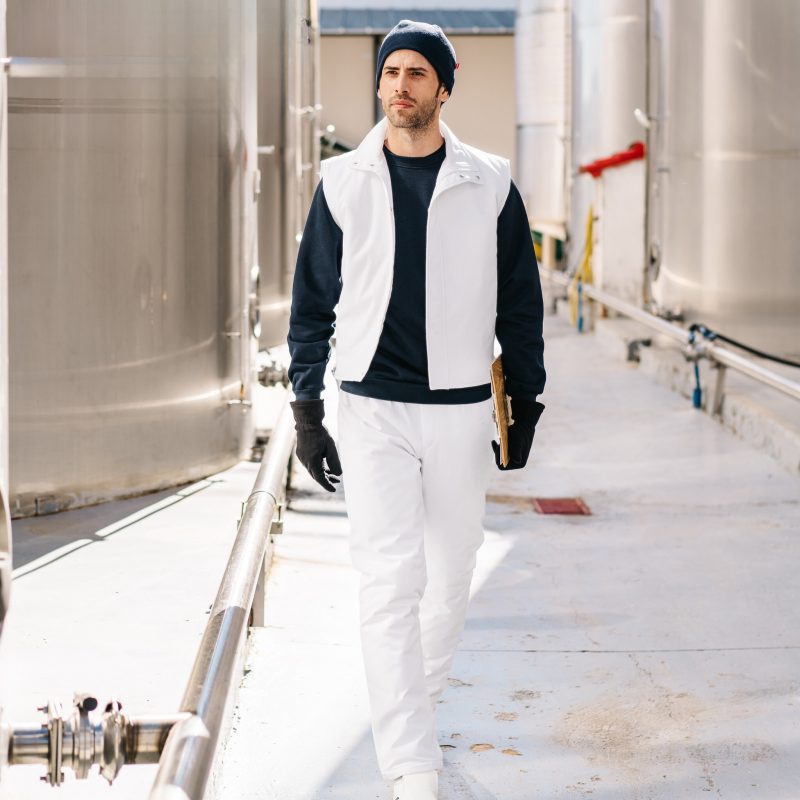
With the development of hybrid functions, workwear is becoming increasingly adaptable.
- Modular outfits: 3-in-1 jackets, trousers that can be transformed into shorts, garments compatible with different accessories.
- Hybrid look: garments that can be worn both at work and when travelling or presenting to clients.
- Unisex outfits: More and more outfits are designed to suit both men and women, with universal cuts.
This versatility reduces stock requirements while meeting a range of professional needs.
Conclusion: Workwear in 2025, between innovation and awareness-raising
Workwear is constantly evolving to meet modern demands: performance, environmental responsibility, well-being and aesthetics. In 2025, it is possible to reconcile style, sustainability and functionality.
To follow these trends, brands such as Combi Pro offer ranges adapted to the new needs of professionals. Investing in quality clothing means anticipating tomorrow's expectations and valuing your company's human capital.
Who are we?
Welcome to Combi-Pro, the destination for discerning professionals looking for technical workwear that combines quality, style and comfort. We are more than a company, we are a family dedicated to bringing you the best in workwear. Our history: At the crossroads of tradition and innovation, Combi-Pro has built its heritage on the distribution of technical workwear. Since our founding in 2020, we have grown to become a leading name in corporate workwear and promotional textiles.